Get in touch today for an obligation-free quote.
Fire Equipment Inspections
Why INSPEKTA?
- Locally based in regional NSW — servicing Dubbo, Wagga Wagga, Newcastle and surrounds, so you're not waiting on a metro contractor to drive out.
- Qualified personnel — inspections carried out by FPAS-accredited technicians.
- Fully documented — clear service reports and tagging to support your records and AFSS.
- Part of HMC Group Solutions — a regional NSW safety and training business trusted across the mining, civil construction, renewables and drilling sectors.
Service Overview
Keep your people, premises and assets protected — and your fire safety records audit-ready — with routine fire protection equipment inspection and testing from INSPEKTA.
Based in regional NSW and servicing Dubbo, Wagga Wagga, Newcastle and surrounding areas, INSPEKTA inspects and tests fixed and portable fire protection equipment for commercial, industrial, mining, civil construction and renewables sites. Every inspection is carried out in accordance with the relevant Australian Standards and fully documented, so you have the evidence you need to meet your fire safety obligations.
Our inspections are carried out by FPAS-accredited personnel (Fire Protection Accreditation Scheme — Inspect & Test class), so you can be confident the work is done by people qualified to do it.
What We Inspect
INSPEKTA inspects and tests:
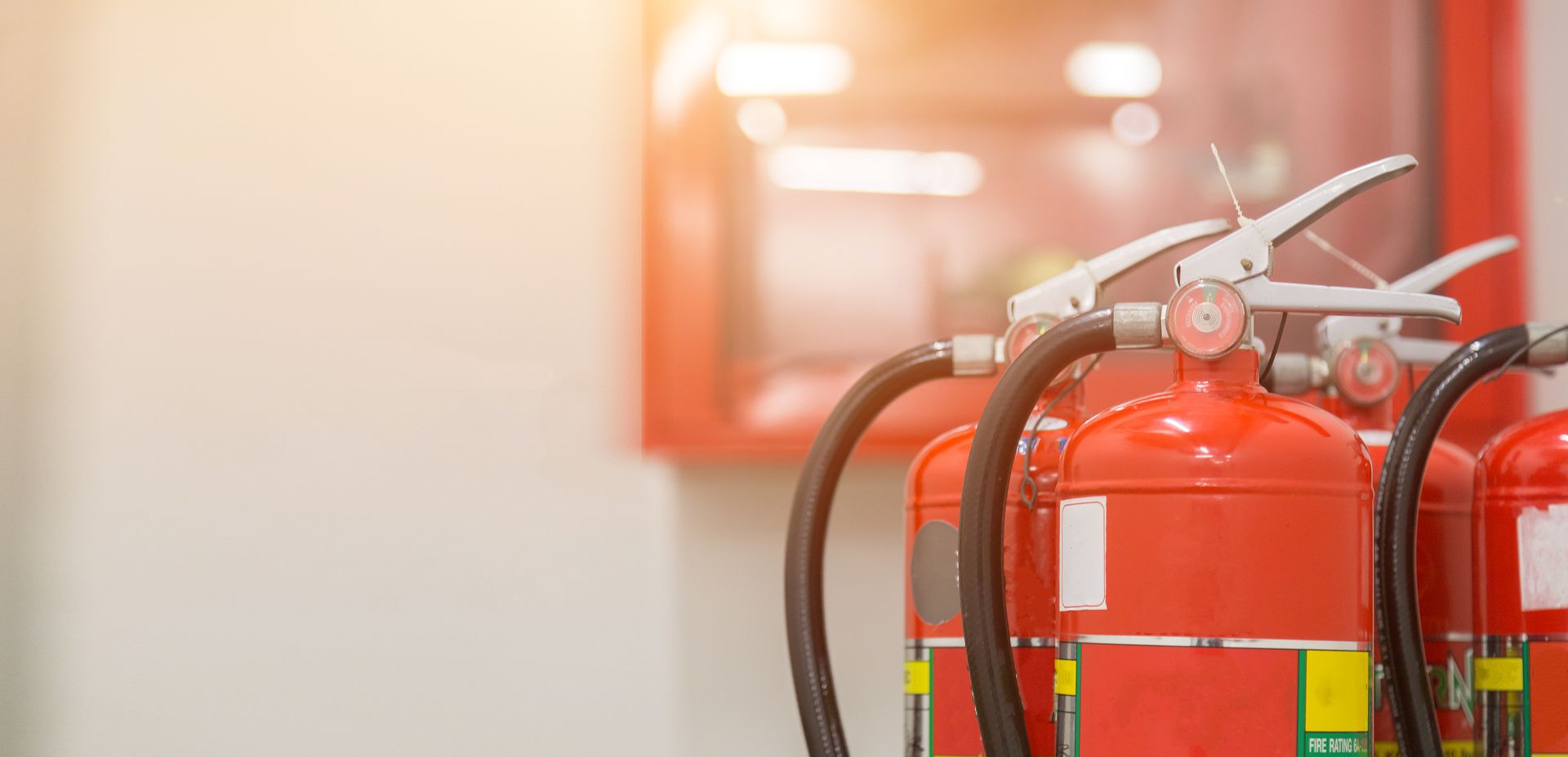
- Fire extinguishers
- Fire hose reels
- Fire blankets
- Smoke alarms and detectors
- Emergency and exit lighting
We also carry out fire safety building surveys to assess the fire safety measures installed across your premises and identify where servicing or rectification is required.
What Our Inspection Involves
Routine service is more than a quick look and a new tag. For every item we service, we work through a consistent process aligned to AS 1851:
- Visual inspection — we check each item for damage, corrosion, correct location and clear access, and confirm signage, labelling and operating instructions are present and legible.
- Operational and functional testing — we confirm the equipment performs as intended: pressure gauges reading within range, hose reels flowing, detectors activating, and emergency and exit lighting illuminating on a simulated mains failure.
- Pressure and weight verification — for extinguishers, we check charge pressure and, where required, weigh cylinders to confirm the correct fill.
- Comparison against baseline data — we verify current condition against the equipment's commissioned baseline, as required under AS 1851.
- Defect identification and reporting — any item needing repair, recharge or replacement is clearly identified, with practical recommendations so nothing is left to guesswork.
- Tagging and documentation — each item is tagged with its service record, and you receive a service report to retain for your files and to support your Annual Fire Safety Statement (AFSS).
Servicing intervals follow the schedules set out in AS 1851 — ranging from monthly through to five-yearly depending on the equipment — and we can set up a routine service programme so your inspections stay on schedule without you having to track them.
Compliance Standards
All inspections and testing are carried out in accordance with the relevant Australian Standards and code requirements, including:
- AS 1851 — Routine service of fire protection systems and equipment
- AS 2444 — Selection and location of portable fire extinguishers and fire blankets
- AS 2293 — Emergency and exit lighting
- National Construction Code (NCC) — applicable fire safety requirements
Every service is documented, giving you the records you need to support your fire safety obligations as a building owner or occupier.
Important for NSW building owners: From 13 February 2026, essential fire safety measures in most NSW buildings (class 1b and class 2–9) must be inspected and tested in accordance with AS 1851-2012. If you're not already on a routine service schedule, now is the time to get one in place — talk to us and we'll sort it out.