Get in touch today for an obligation-free quote.
Pallet Racking Inspections
Why INSPEKTA?
- Locally based in regional NSW — servicing Dubbo, Wagga Wagga, Newcastle and surrounds, so you're not waiting on a metro contractor to drive out.
- Competent inspectors — inspections carried out by competent persons as required by AS 4084.2:2023
- Clear, actionable reporting — red/amber/green risk classification and prioritised corrective actions, not just a list of faults.
- Fully documented — clear registers and durable tagging to support your WHS records and site audits.
- Part of HMC Group Solutions — a regional NSW safety and training business trusted across the mining, civil construction, renewables and drilling sectors.
Service Overview
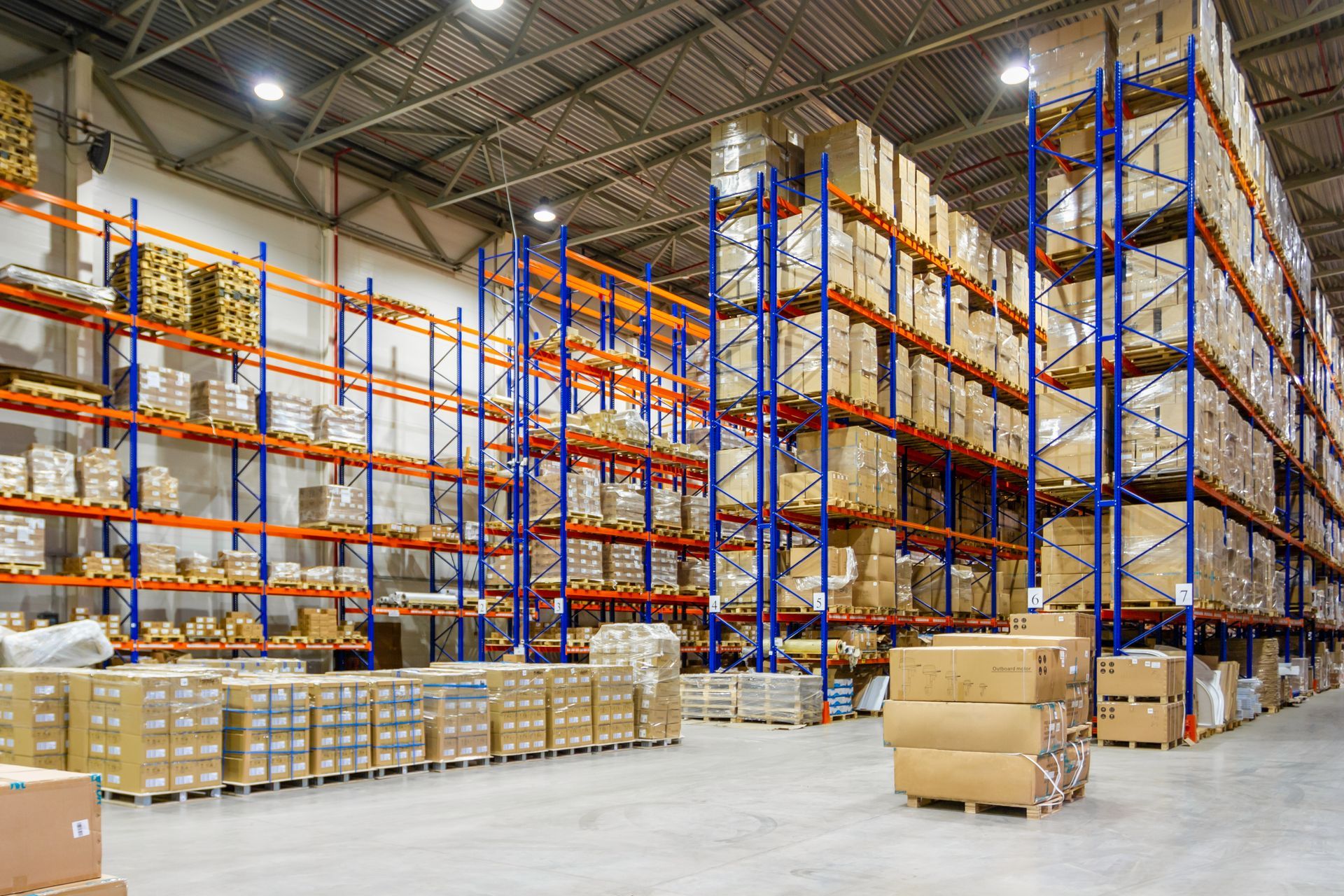
A damaged or overloaded pallet racking system is a serious risk to your people, your stock and your operation — and keeping it safe is a legal duty. Inspekta provides pallet racking safety inspections carried out by competent inspectors in accordance with AS 4084.2:2023 (Steel storage racking — Operation and maintenance).
Servicing warehouses and storage facilities across New South Wales — including Dubbo, Wagga Wagga and regional NSW — our comprehensive inspections identify damage, non-compliance and overloaded racking before they become a failure. On completion, we issue a detailed report with clear, prioritised recommendations for corrective action, so you know exactly what to fix and in what order.
To align with AS 4084.2:2023, a formal pallet racking safety inspection should be carried out by a competent person at least once every 12 months.
What We Inspect
Our inspection assesses the full racking system against AS 4084.2:2023, including:
- Uprights and frames — bends, cracks, twisting, corrosion and misalignment
- Beams and connectors — deflection, damage, and secure safety clips or locking pins
- Base plates and floor fixings — anchoring and secure bolting to the floor
- Bracing — damaged, missing or modified bracing members
- Load signage — Safe Working Load (SWL) signs present, legible and correct
- Loading practices — signs of overloading or incorrect use
- Overall installation — correct assembly, configuration and any unauthorised modifications
What Our Inspection Involves
1. Site assessment — we walk the racking system bay by bay, assessing each component against AS 4084.2:2023.
2. Damage identification and risk rating — every issue is identified and classified using the standard's traffic-light system:
- Red — a serious hazard requiring the affected bay to be off-loaded and isolated immediately until repaired.
- Amber — damage that must be repaired within a set timeframe, then re-inspected.
- Green — within acceptable limits; continue to monitor.
3. Load and signage check — we confirm SWL signage is present, correct and legible, and note any evidence of overloading.
4. Detailed report — you receive a written report documenting every finding, its risk classification, and clear, prioritised recommendations for corrective action.
5. Corrective action guidance — we advise on what needs to be repaired, replaced or re-assessed to restore compliance, and can help you plan the works.
6. Records — your inspection report supports your WHS records and insurer requirements. Under AS 4084.2:2023, inspection and repair documentation should be retained for the life of the racking system.
Compliance Standards
Our inspections are carried out in accordance with:
- AS 4084.1:2023 — Steel storage racking: Design
- AS 4084.2:2023 — Steel storage racking: Operation and maintenance (inspection, damage classification and maintenance)
Is a racking inspection legally required? There is no standalone regulation that names a 12-monthly racking inspection — but as a Person Conducting a Business or Undertaking (PCBU), you have a mandatory duty under Work Health and Safety law to ensure your plant and structures, including racking, are safe so far as is reasonably practicable. SafeWork NSW references AS 4084 as the benchmark for meeting that duty, and AS 4084.2:2023 provides for a formal inspection by a competent person at least every 12 months. In practice, a documented annual inspection is the recognised way to demonstrate you're meeting your WHS obligation — and failing to inspect and maintain racking can be treated as a breach, and can affect your insurance cover, even if no incident has occurred.
We help you meet that obligation with a properly documented, standards-based inspection.